Ledger.com/start – Complete Guide to Setting Up Your Ledger Wallet
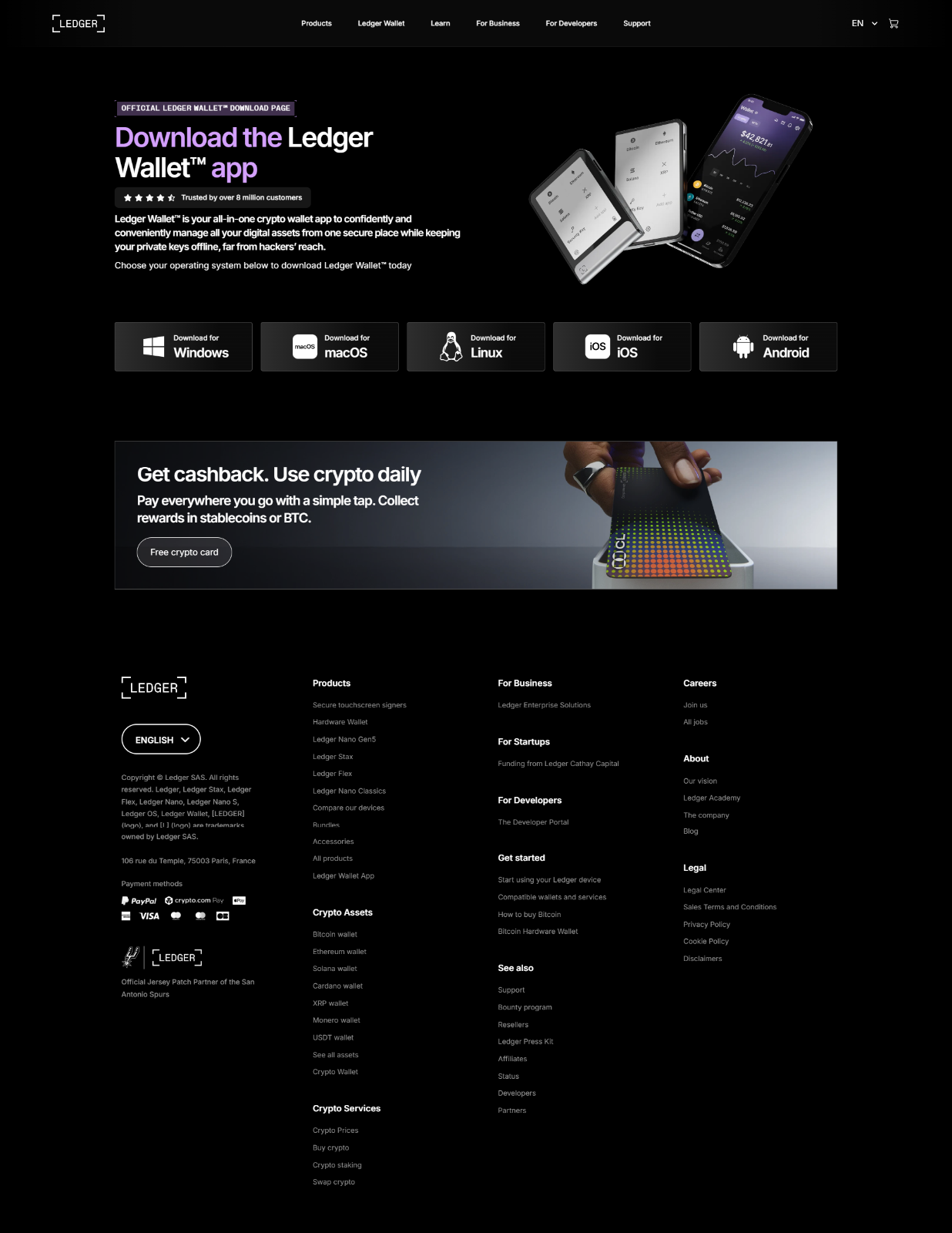
Getting started with a hardware wallet is an important step for anyone who wants to manage cryptocurrency through self-custody. Ledger.com/start is Ledger’s official setup destination, where users can access the current Ledger Wallet application and begin configuring a compatible Ledger device. Ledger currently offers the application for Windows, macOS, Linux, iOS, and Android. (Ledger)
Many users still search for Ledger Live, Ledger Live Desktop, or ledger live desktop because the Ledger Wallet application was previously known as Ledger Live. Understanding this terminology can make it easier to find the current software and avoid outdated or unofficial download pages.
What Is Ledger.com/start?
Ledger.com/start is designed as an official starting point for Ledger hardware-wallet users. Instead of searching for software through third-party websites, users can begin with Ledger’s own setup resources and choose the application appropriate for their operating system.
The current Ledger Wallet application works as the software side of the Ledger ecosystem. It provides an interface for viewing portfolios, managing accounts, preparing transactions, and accessing supported crypto services. The Ledger hardware device provides the signing and security layer for transactions. (Ledger)
Starting with the official website is particularly important when handling cryptocurrency. Fake applications and phishing websites can imitate familiar brands and attempt to obtain sensitive wallet information.
Ledger Live Is Now Ledger Wallet
If you have used Ledger products before, you may remember the name Ledger Live. Ledger launched Ledger Live as a companion application for its hardware wallets, originally bringing device management and cryptocurrency accounts together in one desktop application. (Ledger)
Today, Ledger identifies the product as Ledger Wallet, formerly Ledger Live. The application has expanded beyond its earlier portfolio-management role and now includes features such as buying, swapping, staking, portfolio tracking, and access to supported Web3 services. (Ledger)
As a result, people searching for “Ledger Live” may still find current Ledger Wallet resources. The older keyword remains useful for finding information about the product, but users should rely on current official Ledger pages when downloading software.
What Is Ledger Live Desktop?
Ledger Live Desktop is a commonly used search term for Ledger’s computer-based wallet application. Ledger currently provides its desktop application for Windows, macOS, and Linux. (Ledger)
A desktop wallet can be useful for people who prefer managing cryptocurrency from a larger screen. It provides room to review account balances, transaction history, portfolio information, and wallet settings.
The desktop application can also be useful when connecting a Ledger hardware wallet, installing supported cryptocurrency applications, or preparing transactions. However, users should always download the current application from Ledger’s official website rather than an unknown software directory.
How to Get Started With Ledger.com/start
1. Visit the Official Website
Open Ledger.com/start directly in your browser. Check the domain carefully before downloading software or entering any information.
Avoid relying on unexpected links received through email, social media, messaging platforms, or online advertisements. A familiar-looking website is not necessarily an authentic one.
2. Download Ledger Wallet
Ledger’s current setup page provides the Ledger Wallet application for Windows, macOS, Linux, iOS, and Android. Select the version that matches your device and complete the installation. (Ledger)
If you are specifically searching for ledger live desktop, the current desktop download is the relevant option even though the application is now called Ledger Wallet.
3. Connect Your Ledger Device
Connect your compatible Ledger device using the supported connection method. Open Ledger Wallet and follow the instructions provided by the application and the hardware device.
The exact setup steps can differ depending on whether you are initializing a new device or using an existing wallet.
4. Configure Your Device
A new Ledger device will guide you through its initial configuration. Follow the instructions displayed on the device itself rather than relying solely on information shown on your computer.
Take your time during this stage. Hardware-wallet setup is not something worth rushing.
5. Protect Your Recovery Information
Your recovery information is one of the most sensitive parts of your wallet. Record it according to the official instructions and store it securely offline.
Never send your recovery phrase to another person. Do not type it into a website, email, cloud document, online form, or messaging application. Someone who obtains this information may be able to restore access to the associated crypto assets.
Ledger’s official guidance emphasizes keeping private wallet information protected and offline. (Ledger)
Managing Cryptocurrency With Ledger Wallet
After setup, Ledger Wallet provides a central interface for managing supported crypto accounts. Depending on the asset and service available in your region, you may be able to send and receive cryptocurrency, track your portfolio, buy or swap assets, stake supported cryptocurrencies, and interact with decentralized applications. (Ledger)
The exact features available can change according to the cryptocurrency, Ledger device, operating system, and location. Therefore, check the current official information before assuming that a particular service supports your asset.
For beginners, learning the basics first is worthwhile. Understand wallet addresses, blockchain networks, transaction fees, and confirmation screens before transferring substantial amounts.
Verify Transactions Before Signing
One of the most important habits when using a hardware wallet is reviewing transaction information before approving it.
When sending cryptocurrency, check the destination address, amount, network, and other transaction details. Compare the information displayed on your Ledger device with what you intended to approve.
Do not automatically trust a transaction simply because it appears correct on your computer. Malware, phishing attacks, and compromised websites can present misleading information.
The Ledger device provides a separate place to verify important transaction details before signing. (Ledger)
Common Security Mistakes to Avoid
A hardware wallet can improve security, but safe cryptocurrency management still depends on the user's habits.
Avoid these common mistakes:
- Never share your recovery phrase.
- Never give your PIN to another person.
- Download Ledger software only from official sources.
- Do not install wallet applications from unknown websites.
- Be careful with fake customer-support accounts.
- Verify addresses before sending cryptocurrency.
- Review transaction details before approving them.
- Treat unexpected wallet-security messages with suspicion.
Scammers may create convincing websites or contact users while pretending to offer technical support. A request for secret recovery information should always be treated as a serious warning sign.
Why Use Ledger.com/start?
Using Ledger.com/start gives users a direct route to Ledger’s current wallet software and setup resources. The official page currently links to the Ledger Wallet application for major desktop and mobile platforms. (Ledger)
This is especially helpful for people who search for Ledger Live Desktop, ledger live, or ledger live desktop and encounter older tutorials. Product names and interfaces can change, so using the current official download page helps reduce confusion.
Final Thoughts
Ledger.com/start provides a practical starting point for setting up a Ledger hardware wallet and accessing the current Ledger Wallet application. Although Ledger Live remains a widely recognized search term, Ledger now presents the software as Ledger Wallet. Its desktop version continues to serve users who prefer managing supported cryptocurrency accounts from Windows, macOS, or Linux. (Ledger)
For a safer setup, use official Ledger software, protect your recovery information, keep your PIN private, and verify transaction details on the physical device before signing. Taking these steps can make cryptocurrency self-custody easier to understand while reducing common security mistakes.